Author Archives: operations@cleaner.marketing

How to Tell If an Alteration Was Done Well

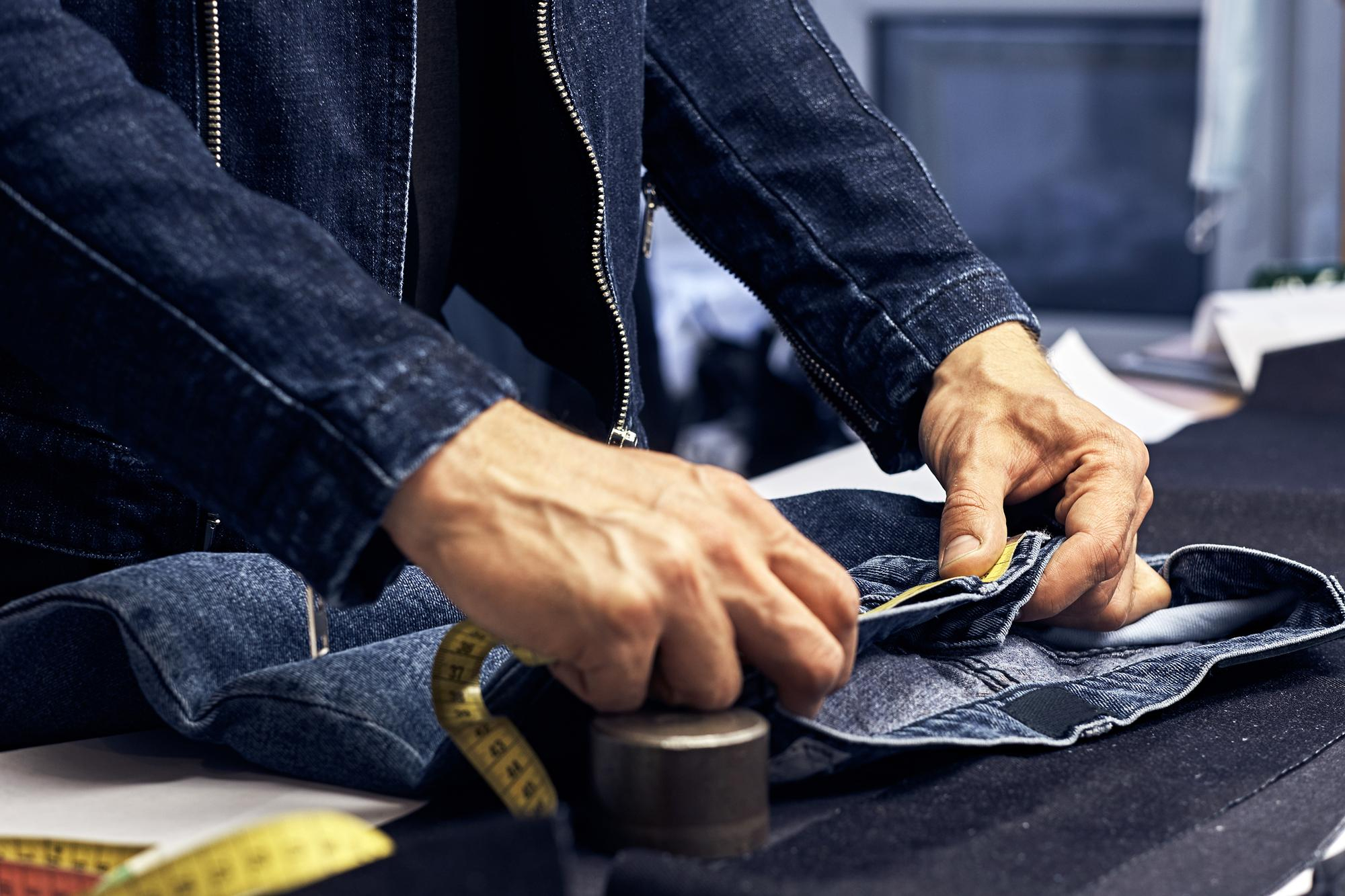
Sometimes clothing fits well enough, yet you find yourself constantly adjusting it. If this happens after an alteration, it usually means the fit was measured correctly, but not refined for movement and comfort.

A truly good alteration supports how you move and how you feel wearing the garment. It shouldn’t require constant awareness or adjustment. Comfort is a key marker of quality. To ensure your altered garments meet the standard you expect, we’ll walk you through the small yet telling signs of well-executed alterations.
The Fit Feels Natural, Not Forced

When an alteration is done well, the first thing you notice is actually what you don’t notice. The garment feels natural on your body, not stiff, tight, or over-engineered. You shouldn’t feel compelled to stand a certain way or avoid moving just to make it look right. Good tailoring quietly supports how you move through your day.

A good fit shows up in how comfortable you feel all day, not just how the clothes look when you stand still. Experienced tailors think about how a garment behaves when you sit, reach, walk, and bend, not just how it looks in the mirror.

Use this checklist to evaluate the fit:

  • You can sit and stand without pulling, pinching, or straining
  • The garment doesn’t shift or twist as you move
  • There’s no tightness across the shoulders, hips, or thighs
  • You don’t feel the need to constantly adjust or smooth it down

Balance is just as important as comfort. When alterations are done properly, the garment feels evenly distributed across your body, even if the tailor made subtle, uneven adjustments to account for posture or body shape. That balance is a strong sign of skilled craftsmanship.-based cleaning prevents spreading and permanent setting that often occurs at home.

Seams and Stitching Look Clean and Even

Seams tell you almost everything you need to know about the quality of an alteration. Clean stitching signals care, experience, and attention to detail. If a seam looks rushed or sloppy, chances are the rest of the work was, too.

Well-done alterations blend into the original construction of the garment. You shouldn’t see ripples, puckering, or pulling along altered seams. Everything should lie flat and smooth, especially in high-visibility areas such as the waist, hips, sleeves, and side seams.

What to look for up close:

  • Even stitch length with no skipped stitches
  • Flat seams that don’t ripple or wave
  • No loose threads or fraying edges
  • Thread color that matches the garment

Turn the garment inside out if you can. Skilled tailors take just as much care with the interior as the exterior. Excess fabric should be trimmed, seam allowances should be neat, and nothing should feel bulky or scratchy against your skin. Clean interior work often separates professional alterations from quick, low-quality fixes.

The Garment Maintains Its Original Shape

One of the most overlooked signs of good tailoring is what doesn’t change. A quality alteration preserves the original shape, structure, and proportions of the garment. The piece should still look like itself, just better fitted to you.

This matters most for tailored pieces such as suits, jackets, dresses, and structured coats. Shortening a jacket, for example, should not throw off the position of the pockets or the balance of the lapel. Taking in a dress should not distort its silhouette or pull it off-center.

Check the proportions carefully:

  • Jacket length still looks intentional
  • Pockets sit where they naturally should
  • Waist shaping looks smooth, not forced
  • The garment hangs evenly from front to back

Experienced tailors know when not to alter something. Sometimes preserving structure is more important than chasing a tighter fit. When a garment retains its original shape after alterations, it’s a clear sign the tailor understood the design and respected the craftsmanship of the piece.

The Alteration Is Invisible From the Outside

When tailoring is performed correctly, people see you, not the work done on your clothes. The garment should look natural, polished, and intentional, as if it were made that way from the start.

Visible alteration lines, awkward folds, or obvious stitching usually mean corners were cut. Skilled tailors hide their work within existing seams, hems, and design lines so the changes disappear into the garment.

Ask yourself these questions:

  • Can you spot exactly where the garment was altered?
  • Do any seams or hems look “added on”?
  • Does the garment look different only when you know where to look?

If people notice the alteration before they notice you, the work may be too obvious. True craftsmanship stays quiet. The alteration should support the garment, not draw attention to itself.

The Garment Functions as Intended
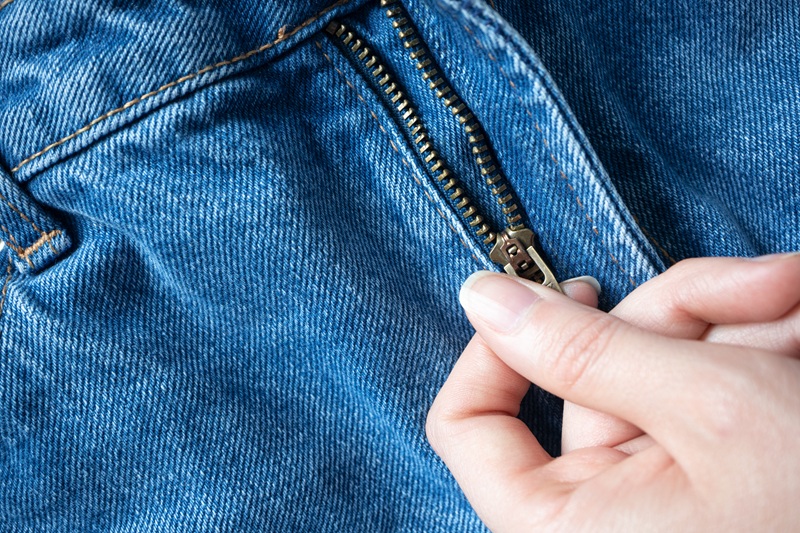
Fit means nothing if the garment no longer works the way it should. A quality alteration keeps all functional details fully usable. Zippers should glide smoothly, pockets should sit flat, and hems should stay put.

Poor tailoring can get in the way of comfort and movement. Pockets end up sewn shut or pulled out of alignment. Zippers start to catch or warp. Cuffs twist. These problems usually appear after a few wears, making them easy to miss at first.

Do a functional check before wearing it:

  • Pockets lie flat and open easily
  • Zippers move smoothly without catching
  • Hems stay even when you walk
  • Cuffs sit straight and feel comfortable

Experienced tailors plan for function during the alteration process. A skilled tailor ensures the garment fits when you actually wear it, not just stand still.

Get Confident in Your Fit with Parkway Custom Drycleaning – Schedule an Alterations Appointment Today!

The right alteration lets you forget about your clothes and focus on your day, knowing everything fits, moves, and looks exactly the way it should. At Parkway Custom Drycleaning, our expert seamstresses specialize in fine alterations, clothing repair, couture fittings, and detailed handwork, from simple fixes to complex re-styling and wedding dress alterations, because true craftsmanship takes time and care.

Our alterations team is available Monday through Friday from 9:00 AM to 2:30 PM or Saturday from 10:30 AM to 3:00 PM, but we recommend calling ahead, especially if you have multiple items or need bridal fittings.

Reach out to our store today to speak with our team, schedule a bridal appointment, or confirm seamstress availability so your garments are handled without delay. 

📍 Visit Us: 5455 Randolph Rd., North Bethesda, MD, 20852
📞 Call: 301-201-6589
📧 Email: admin@parkwaydrycleaning.com
Stains That Are Better Handled by Professional Dry Cleaning

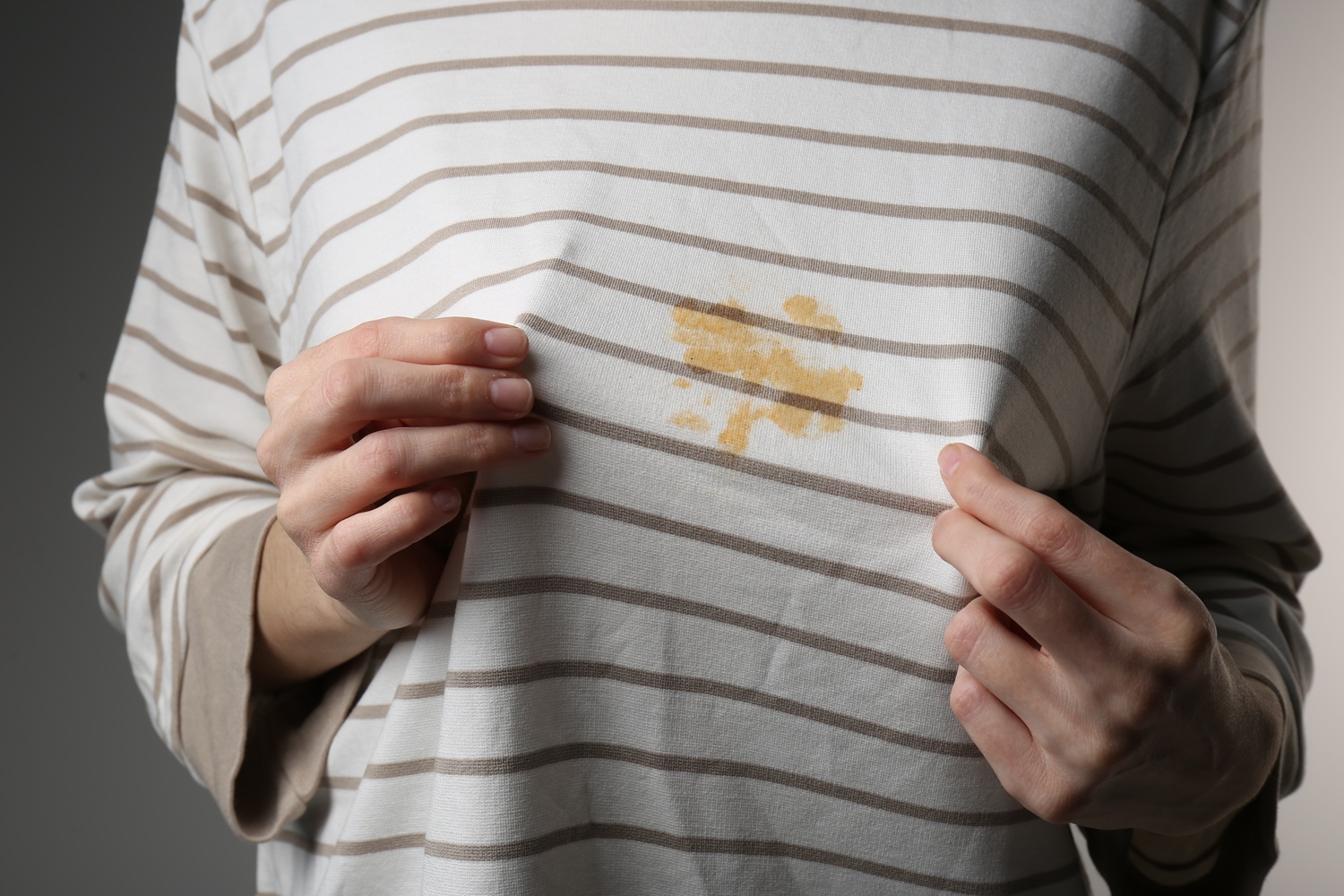
While quick action can help with many stains, others require specialized care to prevent spreading, setting, or damage to the fabric. Stains on delicate materials, heavily dyed fabrics, or garments with structured details often don’t respond well to water or home treatments.

Professional dry cleaning offers a controlled way to treat stains without introducing new problems. It’s a preventative step as much as a corrective action. So, which stains should always be left to professional dry cleaning? Read on to find out.

Oil and Grease-Based Stains

Oil and grease stains are some of the most misleading stains homeowners deal with. They often look faint or disappear when wet, only to reappear darker after washing or drying. This happens because oils don’t dissolve in water and instead spread deeper into fabric when handled incorrectly.  

But Why Don’t Oil Stains Respond to Home Washing?

Oil-based stains repel water, which limits what standard laundry detergents can actually remove.

  • Oils cling tightly to fabric fibers
  • Water-based detergents often spread the stain instead of lifting it
  • Heat from washing or drying bonds oils permanently

How Professional Solvents Target Grease

Dry cleaners use specialized solvents that dissolve oils without damaging fabric.

  • Solvents break down grease at a molecular level
  • Controlled application prevents spreading
  • Fabrics are cleaned without excessive agitation

Common Oil-Based Stains Best Left to Professionals

Many everyday products fall into this category.

  • Butter and cooking oils
  • Makeup and skincare products
  • Salad dressings and sauces

For oil and grease stains, professional solvent-based cleaning prevents spreading and permanent setting that often occurs at home.

Wine, Coffee, and Dark Beverage Stains

Dark beverage stains are deceptively complex. While they may start as liquid spills, they quickly become dye-based stains that chemically bind to fabric fibers. Home remedies often lighten the surface but leave behind discoloration that resurfaces later. Professional cleaning addresses these stains more thoroughly and safely.

What Tannins and Dyes Do to Fabric

Wine, coffee, and tea contain natural dyes and tannins that react with fibers.

  • Tannins bond tightly to fabric
  • Dark pigments penetrate quickly
  • Oxidation deepens color over time

Why DIY Treatments Often Fail

Common home fixes can worsen the problem.

  • Hot water sets dye-based stains
  • Rubbing spreads pigment
  • Household products can bleach unevenly

How Professional Cleaning Improves Results

Professionals approach these stains methodically.

  • Stains are identified and pretreated correctly
  • Cleaning methods are adjusted by fabric type
  • Color integrity is protected during removal

Because beverage stains behave more like dyes than dirt, professional treatment offers better consistency and fewer surprises.

Set-In or Previously Dried Stains

Once a stain has been washed and dried, its behavior changes entirely. Heat alters the chemistry of stains, locking them into the fabric in ways home methods can’t reverse. At this stage, repeated washing often causes more damage than improvement. Professional cleaners are trained to evaluate and address these challenging cases.

How Heat Permanently Sets Stains

Dryers and irons accelerate chemical bonding.

  • Heat bakes residue into fibers
  • Stains become resistant to detergents
  • Fabric texture may already be altered

Why Rewashing Makes It Worse

Repeated attempts can do more harm than good.

  • Fibers weaken with aggressive washing
  • Stains spread or discolor the surrounding areas
  • Fabric wear increases without stain improvement

What Professionals Can Do Realistically

Professional treatment focuses on improvement, not false promises.

  • Specialized solvents may break down bonded residue
  • Controlled conditions reduce fabric stress
  • Results vary based on fabric and stain age

Set-in stains aren’t hopeless, but professional intervention offers the safest and most realistic chance of improvement.

Delicate Fabric Stains

Delicate fabrics elevate an outfit, but they also require restraint when stains occur. These materials react poorly to water, agitation, and common stain removers. Attempting home treatment often leads to shrinkage, texture changes, or permanent damage. Professional dry cleaning protects both the fabric and the structure of the garment.

Understanding the risks explains why caution matters.

Why Delicate Fabrics Are Easily Damaged

These fibers are sensitive by nature.

  • Silk weakens when wet
  • Wool shrinks and felts with agitation
  • Velvet and lace lose texture easily

The Risk of Home Spot Treatments

Even gentle attempts can backfire.

  • Water rings form quickly
  • Fibers distort under pressure
  • Color loss may be irreversible

How Professional Cleaning Protects Delicates

Dry cleaners tailor their approach to each fabric.

  • Fabric-specific solvents and methods
  • Minimal agitation
  • Careful drying and finishing

For delicate fabrics, professional cleaning isn’t just safer – it preserves the original beauty of the garment.

Structured or Lined Garments

Structured garments are designed with multiple layers, which complicates stain removal. Spills don’t always stay on the surface; they migrate into linings, interfacings, and seams. Home washing can trap stains between layers or distort the garment entirely. Professional cleaning accounts for this internal construction.

How Stains Travel Inside Structured Garments

Liquids don’t stop at the outer fabric.

  • Linings absorb spills quickly
  • Interfacing traps moisture and residue
  • Stains resurface even after washing

Why Home Washing Distorts Structure

Water and agitation affect garment shape.

  • Shoulder padding shifts
  • Lapels lose crispness
  • Coats and suits lose drape

Professional Cleaning Preserves Construction

Dry cleaners clean garments as systems, not just fabrics.

  • Internal layers are treated appropriately
  • Shape is maintained throughout cleaning
  • Garments are finished to original form

For suits, dresses, and coats, professional dry cleaning protects both stain removal and structural integrity.

From Tough Stains to Delicate Fabrics, Parkway Custom Drycleaning Handles It Right

If you’re unsure whether a stain can be washed at home, Parkway Custom Drycleaning is your best next step before a fresh spill becomes a long-term problem. Since its founding in 1926, Parkway Custom Drycleaning has focused on providing the finest dry cleaning service in the Washington, D.C. area, including Montgomery County, Maryland, and the Northern Virginia suburbs.

Known as “The PhDs of stain removal” by The Washington Post, our team applies decades of expertise to everything from delicate garments and household linens to wedding dresses and specialty items such as drapes, blinds, and area rugs. 

We’re also proud to be the first area recipient of the America’s Best Cleaners Award and to be named “Best Washington DC Metro Drycleaner” by Washingtonian Magazine, recognition that reflects our commitment to precision and care. With convenient Pickup and Delivery Service available throughout most of Washington, D.C., the Maryland suburbs, and Northern Virginia, professional stain care fits right into your schedule.Call 301-888-8056 or email admin@parkwaydrycleaning.com to let Parkway Custom Drycleaning handle your stain the right way while time is still on your side.

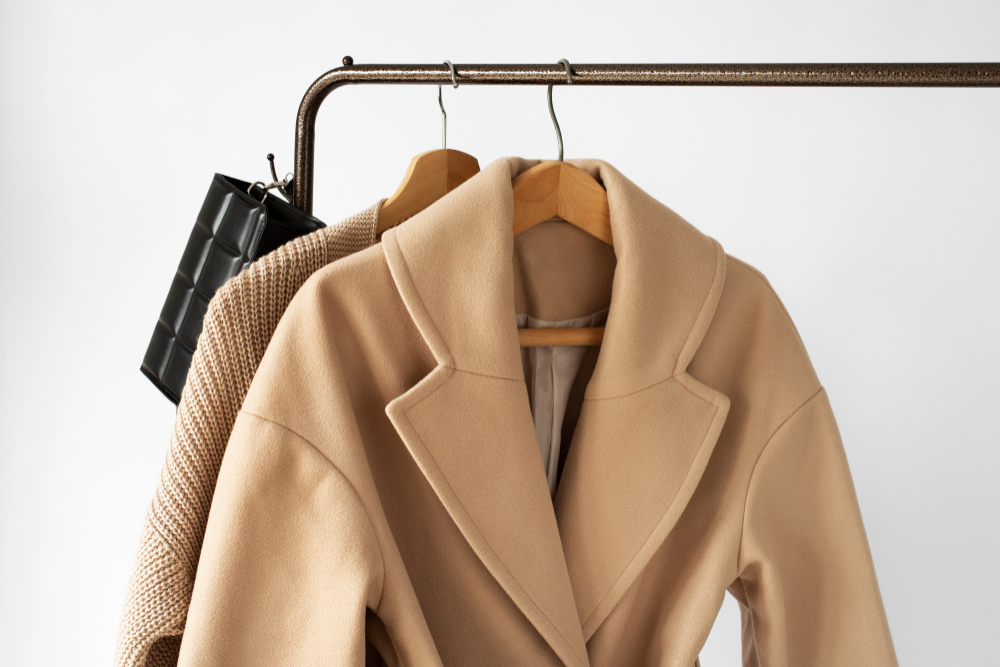
Getting Your Overcoat Winter Ready: What to Clean, Check, and Fix

This winter season, your overcoat is about to become one of your most-worn pieces again. It’s the layer you reach for on cold mornings, long commutes, and nights out when the temperature drops fast. 

But before the season fully ramps up, taking a few moments to look over your overcoat can make a noticeable difference. Fabrics can pick up odors while stored, fastenings can loosen, and areas that experienced heavy wear last year may need attention. Addressing these details early helps your coat perform better and look sharper all season long.

In this article, we walk through what to clean, what to check, and what to fix, so your coat is truly ready for winter before the cold has a chance to put it to the test.

Check for Stains and Discoloration from Last Season

Stains don’t always show up immediately, as many settle in quietly during the season and go unnoticed once the coat is packed away. Bringing those marks back into cold air, friction, and body heat can make them darker, harder to remove, and far more visible.

A quick once-over now helps you avoid mid-season regret when stains suddenly “reappear.” It also gives you a clearer idea of whether light maintenance will do, or if professional care is the smarter move, before regular wear begins. Let’s start with where stains tend to hide.

The Most Common Hidden Problem Areas

Most coat stains show up in predictable places that rarely get checked first. These areas collect oils, dirt, and residue simply through daily wear.

Pay close attention to:

  • Cuffs and sleeve edges that brush against surfaces
  • Collars and necklines where skin oils transfer
  • Underarms, where moisture can discolor fabric
  • Pocket openings exposed to hands, keys, and phones

Why Old Stains Can Get Worse Once You Wear the Coat Again

Stains that sat dormant during storage often react once the coat is back in rotation. Heat from your body and friction from movement can cause oils and residues to oxidize, making them darker and more set into the fabric. What once looked faint can quickly become noticeable after just a few wears.

Why DIY Spot Testing Can Be Risky on Wool or Blends

Scrubbing, soaking, or testing cleaners at home may seem harmless, but wool and blended fabrics react unpredictably to moisture and agitation. Color lifting, texture distortion, or permanent rings are common results. This is one reason understanding how to clean winter coats properly matters, as guesswork often does more harm than good.

If stains are present, professional dry cleaning is the safest next step to restore your coat without compromising its fabric or structure.

Address Odors That Built Up During Storage

Storage traps smells from smoke, food, moisture, and everyday life, especially if the coat wasn’t cleaned before being put away. Once you start wearing it again, those odors tend to surface fast.

Cold weather makes this worse by keeping coats on longer and limiting airflow. What seems mild in the closet can become distracting when worn all day. Addressing odor now prevents it from becoming part of your winter routine. Here’s what to know.

Common Storage Odors to Watch For

Winter coats often absorb scents without showing visible soil. These smells don’t always fade on their own.

Typical offenders include:

  • Musty or “closet” odors from limited airflow
  • Smoke from fireplaces or outdoor exposure
  • Food aromas picked up during commutes or dining
  • Damp smells from snow or rain exposure

Why Airing It Out Isn’t Always Enough

Hanging a coat near an open window may help on the surface, but it rarely reaches the source of the odor. Smells tend to live deep in the fibers and lining, where airflow can’t penetrate. Without proper treatment, odors return quickly once the coat warms up again.

How Odors Spread During Cold-Weather Wear

As your coat heats up from body warmth, trapped odors activate and circulate. Scarves, sweaters, and even car interiors can absorb these smells over time. This makes professional odor removal more effective than surface solutions.

When odors linger, professional cleaning offers a deeper reset fresh air alone can’t provide.

Inspect Buttons, Seams, and the Coat Lining

The structure of your coat matters just as much as its appearance. Small issues that seem harmless now often worsen once winter wear becomes daily and repetitive. Taking care of repairs early saves frustration later, especially when temperatures drop.

A quick inspection now helps you avoid mid-season malfunctions that affect both comfort and warmth. It also ensures your coat is ready for cleaning without additional damage. Start with the basics.

Buttons, Snaps, and Closures

Fasteners endure constant stress during winter. Cold weather makes materials brittle, and frequent use exposes weaknesses.

Check for:

  • Loose or wobbling buttons
  • Snaps that no longer align properly
  • Zippers that snag or separate

Seams and Stress Points

Seams along shoulders, underarms, and pockets carry the most tension. Even slight fraying can turn into open seams with repeated movement. Reinforcing these areas early helps preserve the shape of the coat.

The Often-Ignored Lining

A torn or thinning lining affects insulation and comfort. It can also cause the outer fabric to wear faster. Address lining repairs before cleaning so the coat is structurally sound.

Handling repairs before dry cleaning ensures your coat comes back fully ready for winter wear.

Refresh the Fabric Without Damaging It

A coat can look dull or tired even when it isn’t dirty. Refreshing the fabric helps restore its appearance, but only when done correctly. The goal is to lift surface debris and relax fibers without stressing them.

Many well-meaning at-home methods cause unnecessary wear. Knowing what’s safe and what to skip keeps your coat looking polished all season. Here’s how to approach fabric refresh carefully.

Safe Brushing for Wool Coats

Using a soft garment brush removes surface dust and helps fibers lay neatly. Always brush in one direction and use light pressure. This simple habit keeps wool coats looking crisp between cleanings.

When Light Steaming Helps, and When It Doesn’t

Gentle steam can relax wrinkles and freshen fabric when used sparingly. However, excess steam can weaken structure or affect adhesives inside the coat. Distance and moderation matter.

What to Avoid at Home

Certain shortcuts cause long-term damage.

Avoid:

  • Excess heat from irons or dryers
  • Water saturation or soaking
  • Household dryers or tumble drying

Professional pressing and dry cleaning refresh fabric safely without risking shape or texture.

Properly Store and Hang Your Overcoat Between Wears

Winter coat care doesn’t stop once it’s clean. How you store it between wears plays a major role in how it looks and feels throughout the season. Poor storage can undo even the best cleaning.

Daily habits make a difference here. Supporting the coat properly helps maintain structure, freshness, and comfort. A few simple changes go a long way.

Use the Right Hanger

Wide, structured hangers support the shoulders and prevent sagging. Thin wire hangers distort shape and strain seams. A good hanger protects the silhouette of the coat.

Give Your Coat Space to Breathe

Crowded closets trap moisture and odors. Allow space around the coat so air can circulate. This keeps fabrics fresher between wears.

Why Clean Coats Store Better

Dirt and oils attract odors and pests over time. Clean coats maintain their condition longer throughout winter. Understanding how to clean winter coats properly supports better storage and longer wear.

Prepare Your Overcoat for Winter with Expert Care at Parkway Custom Drycleaning

Winter feels easier when you know your coat is ready for whatever the day brings, and that confidence starts with expert care you can trust. Since 1926, Parkway Custom Drycleaning has been known as “the PhD’s of stain removal,” combining decades of experience with an innovative, eco-friendly dry cleaning process that’s gentle on fine fabrics and tough on winterwear.

From precise hand finishing and couture-level detailing to in-house repairs that catch the smallest issues before they become problems, your overcoat receives the kind of attention that truly shows. Now is the perfect time to schedule a professional coat cleaning before cold weather settles in and daily wear takes its toll. Call (301) 768-7658 today to arrange Pickup and Delivery Service or visit us in North Bethesda. Your winter coat will thank you all season long.

The Most Common Stains Found on Patio Cushions and Why Professional Cleaning Works Best

Your patio cushions make outdoor living comfortable, inviting, and stylish but they also take the brunt of sun, spills, pets, pollen, and weather. Even with regular care, outdoor cushions naturally collect stains that are difficult or impossible to remove with home cleaning methods.

Understanding what causes these stains can help prevent them, but when they happen, as they inevitably do, Parkway Custom Drycleaning and Christopher’s Rug & Upholstery (now part of the Parkway family) have over 30 years experience cleaning, restoring and repairing patio cushions along with outdoor umbrellas and textiles – much more effectively than any DIY approach.

Below are the most common stains found on outdoor cushions and how they form.

Tree Sap

Tree sap hardens into a sticky, dirt-collecting residue that bonds tightly to fabric fibers. Once it sets, home washing rarely removes it. DIY scraping or harsh solvents can also damage outdoor fabrics.

Professional cleaning dissolves and extracts sap without discoloring or weakening the material.

Bird Droppings

Bird droppings are acidic and can quickly fade colors or break down protective coatings. They also carry bacteria, so safe removal is essential.

Parkway’s specialized sanitation and stain-neutralizing treatments fully clean and disinfect affected cushions.

BBQ Sauce and Food Grease

Grease and sauces easily penetrate outdoor fabrics and foam, leaving behind dark spots and lingering odors. Hot water or scrubbing can set the stain permanently.

Our advanced degreasers lift oils deep from the fibers without leaving rings or residue.

Mold and Mildew

Moisture exposure leads to mold and mildew, visible as dark spots and accompanied by a musty smell. Beyond appearance, mold can damage fabrics and trigger allergies.

Our controlled cleaning process eliminates mold at the source while preserving fabric strength and color.

Wine and Beverage Spills

Wine, coffee, soda, and juices contain dyes, sugars, and acids that quickly absorb into cushions, causing discoloration and sticky patches.

We remove pigments and residues safely without the fabric fading or damage bleach can cause at home.

Dirt from Shoes or Pets

Mud, oils, and dirt from shoes and pets grind into outdoor fabrics, creating dullness and uneven staining. Surface cleaning can’t reach embedded soil.

Parkway’s deep-clean extraction thoroughly removes dirt, oils, and odors for a true refresh.

Suntan lotions and perspiration stains

Suntan lotions and perspiration can immediately discolor cushions. These stains will typically not completely evaporate, leaving oils and acidity that can oxidize and permanently discolor cushions if not treated.

Parkway has decades of experience eliminating these oily and acidic stains so that your outdoor textiles are restored and refreshed.

Pollen and Outdoor Dust

Pollen and airborne dust settle onto cushions all season long, creating a yellowish film and triggering allergies. Over time, these particles work into the weave and dull the fabric.

Professional cleaning lifts deeply embedded particles and restores the original color and brightness.

Water Stains from Rain

Trapped moisture and mineral deposits cause water rings, mustiness, and discoloration, especially when cushions stay damp or are stored incorrectly.

Our moisture-extraction and deodorizing process eliminates stains and prevents long-term damage.

Restore Your Outdoor Cushions with Parkway Custom Drycleaning

Don’t let stains, odors, or weather wear down your patio cushions. Parkway Custom Drycleaning has the specialized equipment, expert stain-removal techniques, and controlled cleaning processes that outperform any home remedy or DIY method. We safely clean:

  • Patio cushions
  • Chaise lounge cushions
  • Outdoor sofa and sectional pillows
  • Poolside and porch cushions
  • Patio umbrellas
  • Cushion covers

Each item is hand-spotted, professionally cleaned, sanitized, and restored at our facility. Fabric protection and mold/mildew treatments are also available. We also offer repair services, including patching, sewing up tears, and replacing zippers. Additionally, we can replace very damaged cushion cores and exteriors.

Pickup & Delivery along with Seasonal Storage Available

Pickup, Delivery & Seasonal Storage Made Easy

Parkway Custom Drycleaning and Christopher’s offer complete patio cushion care, including professional cleaning, fabric protection, repairs, and seasonal storage throughout the Greater Washington, D.C. region, including Maryland and Northern Virginia. We also service Baltimore, Annapolis, and the Eastern Shore.

The Christopher’s team will coordinate and schedule your pickup. For maximum convenience, our crew removes your cushions directly from the furniture frames, documenting their condition and noting any needed repairs. Your cushions are then transported to Parkway’s 10,000-sq-ft North Bethesda facility, where they receive expert cleaning, fabric protection, and optional off-season storage.

We can deliver your cushions back in protective bags for you to store or, if we’re storing your cushions and umbrellas during the Winter, our team will reinstall every cushion on your patio & pool furniture so your outdoor space is ready to enjoy the following Spring.

Schedule your Outdoor Cushion & Umbrella Cleaning today:
Phone
: 240-792-8603
Email us
: genmgr@mychristophers.com

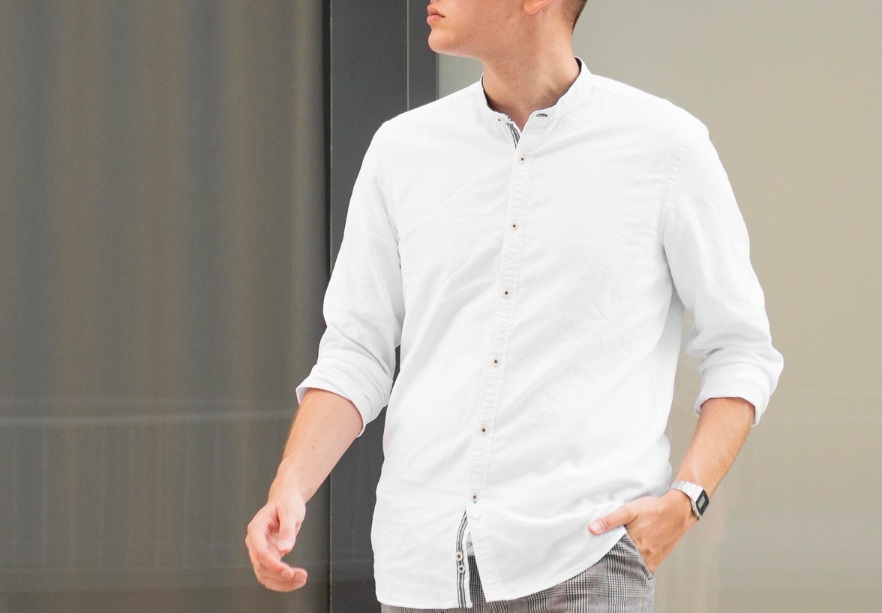
Before You Trust A Laundry Service With Your Shirts, Check for These Five Things

Laundry services have built quite a reputation for carefully handling everyday laundry, such asl household fabrics, jeans, and casualwear. But shirts require something more refined. They’re structured, made from delicate weaves, and designed to hold a crisp shape. A rushed or careless process can undo all of that in one wash.

A true professional understands shirt laundering is a service that blends technique, timing, and touch. It’s what keeps the collars crisp and the fabric feeling new. Anything less can shorten the lifespan of your shirt.

If you’re serious about keeping your shirts looking sharp, you’re in the right place. This article breaks down the telltale signs of a laundry service that goes above and beyond. 

Consistent Pressing and Clean Collars

The collar and cuffs, which collect more sweat and skin oil, need targeted cleaning that’s impossible to achieve with quick home washing. When you get a shirt back from a professional laundry, it looks noticeably better, with smoother seams, balanced folds, and a collar that stays upright without feeling stiff. That consistency is the result of precision handling and years of practice.

How Pressing Stays Consistent

Professionals maintain that perfect finish using specialized techniques that protect the structure of the shirt and restore its natural polish. Here’s how they do it:

  • Targeted Steam Control – Instead of blasting heat, technicians use calibrated steam bursts to relax fabric fibers evenly, preventing distortion on collars and cuffs.
  • Molded Pressing Frames – Each shirt is fitted onto a press form that shapes collars, plackets, and sleeves at the correct angle, producing an even, natural drape.
  • Timed Pressure Cycles – Automatic systems apply precise intervals of pressure to avoid shine marks or uneven flattening that can happen with manual ironing.
  • Cooling Finish – A short cool-down period locks in the smooth surface, keeping collars crisp through a full day of wear.

Consistent pressing is what makes a shirt look “professionally done” – not over-ironed, not floppy.

Use of Shirt-safe Detergents

TGreat laundry starts with the right detergent. Professionals use formulas made for fine textiles like cotton and linen, not the same kind you pour into your washing machine. These shirt-safe solutions remove oils and buildup while protecting color, fabric strength, and comfort for sensitive skin, the kind of care that makes a real difference when washing dress shirts regularly.

For customers sensitive to harsh chemicals, or for pet owners whose clothes often pick up fur and allergens, shirt-safe detergents keep fabrics fresh without irritation.

How Detergent Care Works

Here’s how experts choose and apply them properly.

  1. Fragrance Control – Neutral or hypoallergenic options ensure the shirt smells fresh, not perfumed, after drying.
  2. Fabric Identification – Each shirt is analyzed for material content. Cotton blends need mild alkalinity, while pure linen benefits from enzyme-free cleaning.
  3. Dose Calibration – Machines measure detergent automatically to match load size and soil level, avoiding buildup that makes collars feel waxy.
  4. Rinse Precision – Multiple rinse cycles eliminate residue, which can attract lint and trap odor if left behind.

Crisp Finishes Without Damage

A perfectly finished shirt looks structured but never stiff, which is a sign of proper balance between heat, timing, and pressure. Professionals know every fabric reacts differently, so they tailor each cycle for the material and design. This prevents damage and ensures each shirt drapes naturally while holding its smooth shape.

How Finishing Is Done

This approach keeps shirts looking freshly pressed while extending their lifespan. The process is a full textile-finishing method built for long-term wear.

  • Moisture Balancing – Shirts are pressed while slightly damp, ensuring the fabric surface seals without scorching or puckering.
  • Tension Adjustment – Finishing machines stretch each area differently; cuffs, yokes, and side seams all receive unique pressure points.
  • Protective Finishes – A micro mist of softener or wrinkle guard gives cotton and linen their smooth glide without heavy starch.
  • Temperature Precision – Each material has a designated range, preventing melted fibers or dulling from excessive heat.

Shirts feel breathable, polished, and soft against the skin, ready for daily use. And to make maintaining that quality even easier, many services now offer convenient Pickup and Delivery Service.

Pickup, Delivery, and Customer Care

Today’s laundry services fit right into a busy lifestyle. Pickup and Delivery Service options let customers in Washington, D.C., handle their shirt laundry from an app while professionals manage cleaning from start to finish. It’s the convenience that saves time without sacrificing the care your wardrobe deserves.

How Pickup and Delivery Service Works

  1. Scheduling and Collection – Customers book a pickup time online or through an app. Garments are labeled, logged, and transported in protective covers.
  2. Item Tracking – Each shirt is scanned into a system, allowing real-time updates and accurate order handling.
  3. Quality Control – Before packaging, every shirt passes through final inspection – collars aligned, buttons secured, and wrinkles checked under proper lighting.
  4. Delivery Return – Items are delivered folded or hung according to preference, ensuring they arrive ready to wear.
  5. Ongoing Support – Feedback channels and priority re-cleaning policies maintain customer satisfaction long after the first service.

Professional laundry care combines expertise with convenience; it’s not just about clean shirts, but about simplifying life while maintaining a polished wardrobe.

Stay Polished Every Day – Let Parkway Custom Drycleaning Take Care of Your Shirts

Anyone can wash a shirt, but only a skilled service truly understands the art of washing dress shirts so they come back looking brand new every single time. That level of precision is what separates real quality from routine cleaning.

At Parkway Custom Drycleaning, we offer a Professional Shirt Laundry Service in Maryland, Washington, D.C., and Virginia. Since our founding in 1926, Parkway Custom Drycleaning has been committed to outstanding fabric care and personalized service. 

Our skilled team offers three levels of care: Standard, Deluxe, and Premium, from machine-washed and pressed shirts to fully hand-washed, hand-finished garments that look impeccable.

Visit us at 5455 Randolph Road, North Bethesda, Maryland, 20852, or call 301-396-7016 to schedule your Shirt Laundry Service today. Let Parkway Custom Drycleaning keep you looking sharp, effortlessly.

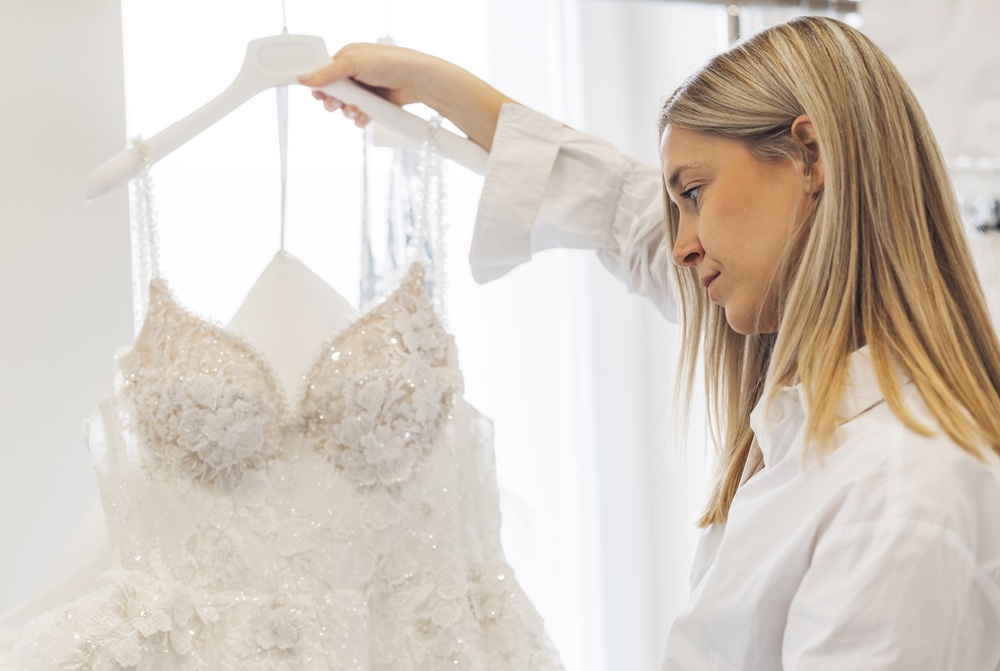
When Should You Clean Your Wedding Dress? Ideal Timelines to Know

Many brides mistakenly wait weeks or months before reaching out to a wedding dress cleaner, assuming their local dry cleaner can “take care of it anytime.” The reality is, bridal dresses require specialized cleaning not every cleaner can provide. Delay only complicates matters, as stains and yellowing set deeper into fragile fabrics.

Waiting too long creates problems, but rushing without a plan isn’t the answer either. This raises the question every bride has at some point – how soon is soon enough? In this article, let’s break down the timelines so you know the best window for cleaning, what’s acceptable, and what to avoid.

Right After the Wedding: The Ideal Window

The hours and days following your wedding are crucial to caring for your wedding dress. Even if stains aren’t visible, tiny traces of sweat, makeup, or champagne can already be working their way into the fibers. Acting quickly keeps your dress in its best condition and makes cleaning easier and less costly.

Key Benefits of Immediate Cleaning

FactorWhy It MattersExample Scenario
Stain Removal SuccessFresh stains are far easier to remove than oxidized stains.A lipstick smudge comes out completely if treated within 48 hours.
Fabric ProtectionDelicate materials like lace or silk don’t have time to weaken from exposure.Sweat salt stains on silk bodices are neutralized before they erode fibers.
Cost EfficiencyEarly cleaning requires fewer chemical treatments and less labor.Quick cleaning service often costs less than deep restoration.

Immediate action is like a safety net. It catches problems before they grow. By prioritizing same-week cleaning, you give your dress the best chance to remain flawless.

Can You Wait a Few Weeks or Months?

Travel, a honeymoon, or even the chaos of moving into a new home can push dress care down the to-do list. But here’s the good news: a short delay of weeks, and in some cases a couple of months, won’t ruin your dress if handled correctly.

Effects of a Short Delay

FactorSafe Buffer PeriodWhat Changes
Freshness of StainsUp to 4–6 weeksStains may begin oxidizing but are still removable with expert care.
Storage ConditionsCool, dry, dark storage buys extra time.A dress in a breathable bag fares better than one stuffed into a plastic bin.
Risk LevelLow to ModerateRisk increases if food or red wine stains are left untreated.

If life gets in the way, don’t panic, as most professional wedding dress cleaners can still achieve excellent results within this timeframe. Just be mindful that you’re working with a limited grace period.

What Happens If You Delay?

The longer a dress goes without cleaning, the more problems creep in quietly. Stains that seemed invisible on the big day can surface months later as yellow spots or faint brown outlines. Fabrics also become more fragile, making stain removal riskier and sometimes impossible.

Consequences of Delayed Cleaning

FactorLong-term ImpactReal-world Example
Oxidized StainsYellowing, browning, or spreading marks.A hidden champagne spill turns into a dark blotch a year later.
Fabric DegradationFibers weaken and may tear during restoration.Lace sleeves develop brittle patches that crumble with touch.
Higher CostsMore chemicals, time, and labor drive up the price.A dress that could have cost $200 to clean now requires $600+ for restoration.

Delaying risks the very integrity of your dress. Once fibers weaken, even the best preservation company can only do so much.

Cleaning Before vs. After Preservation

Preservation and cleaning are often mentioned together, but they are not interchangeable. Cleaning removes stains and oils, while preservation locks the dress into a controlled environment for long-term storage. If the steps are reversed, you’ll trap problems inside the preservation box, causing permanent damage.

The distinction is clear when you compare the two:

Cleaning vs. Preservation

ProcessPurposeWhat Happens If Skipped
CleaningRemoves stains, dirt, and body oils.Stains deepen and spread during storage.
PreservationProtects a clean dress from light, dust, and humidity.A clean dress yellows or stretches if stored improperly.
Correct OrderCleaning first, preservation second.Skipping the order ruins the effectiveness of preservation.

Think of it like sealing food. You wouldn’t freeze leftovers without cooking or prepping them first. The same logic applies to your wedding dress: clean it before you preserve it, and you’ll have peace of mind that it’s truly safe.

Trust Parkway Custom Drycleaning to Safely Clean and Preserve Your Wedding Dress!

Don’t let hidden stains ruin your precious wedding dress! What looks invisible today may turn into permanent yellowing, fabric breakdown, or weakened seams tomorrow. At Parkway Custom Drycleaning, we’ve been hand cleaning, air-drying, and meticulously finishing wedding dresses since 1926, earning recognition as “the most reputable wedding dress specialist in the D.C. area” by Washingtonian Magazine

As one of North America’s foremost experts in wedding dress cleaning, preservation, and restoration, our team brings decades of craftsmanship and care to every dress, from delicate vintage lace to ultra-modern couture.

Protect it now with the trusted experts at Parkway Custom Drycleaning!

Get in touch with us today!

Phone: 301-396-7016
Email: admin@parkwaydrycleaning.com 

Visit us: 5455 Randolph Rd., N. Bethesda, MD, 20852

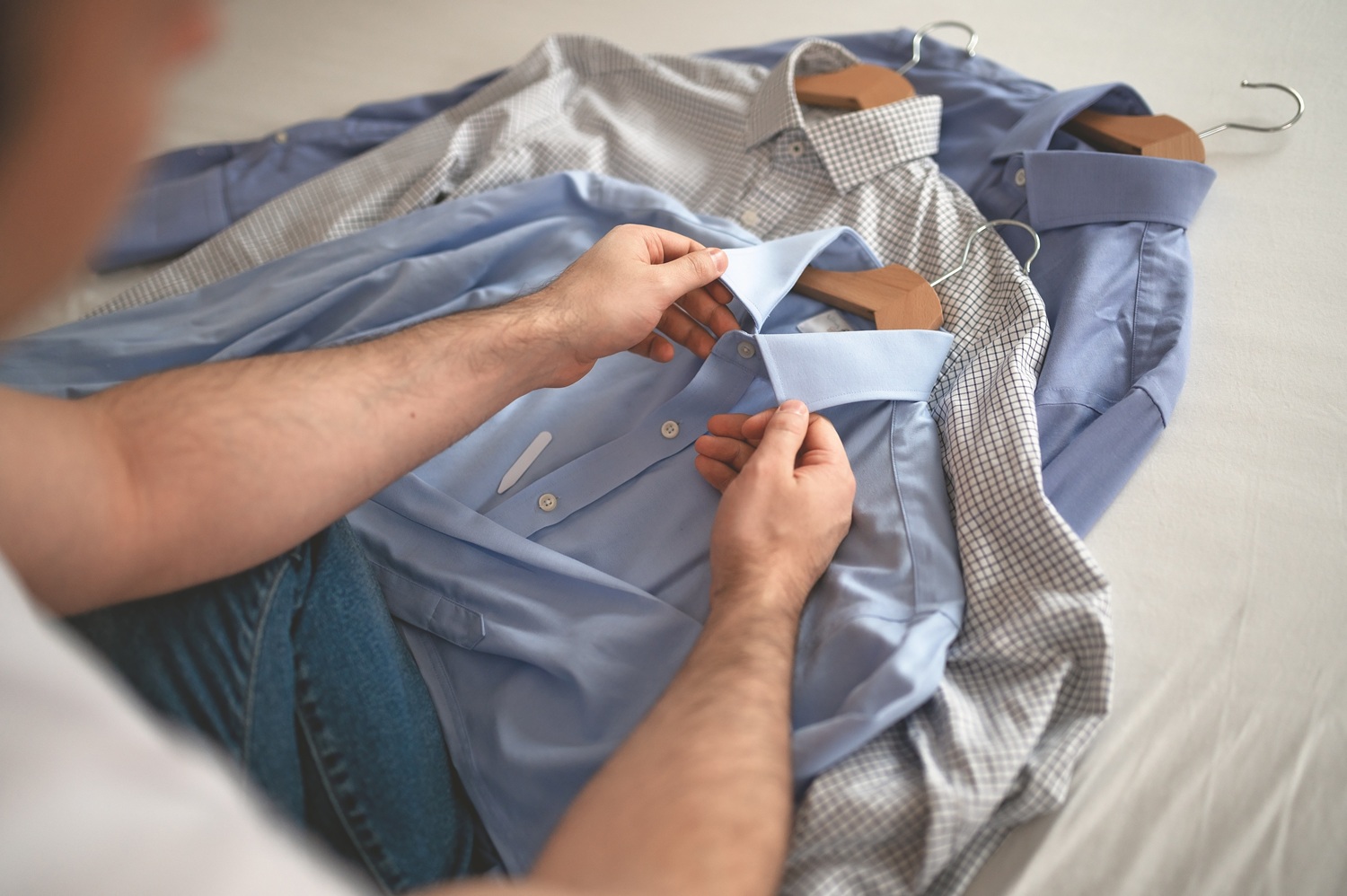
On-the-go Guide to Keeping Dress Shirts Fresh During Work Trips

The outfit you choose to bring for your work trips is just as important as those you wear when you’re at the office. First impressions still matter in conference rooms, client lunches, and networking events — only now your wardrobe has to survive airport security, cramped luggage, and hours in transit before it even makes it onto your back.

Looking polished after a day of travel is all about strategy. From the folds you choose to the layers you add for protection, every detail matters. And when it’s done right, unpacking becomes as simple as hanging and wearing. Let’s get into the details.

Pack Each Shirt in a Protective Garment Bag

When you’re on the road for work, a garment bag is your first line of defense against wrinkles, dirt, and accidental spills in transit. By separating each dress shirt into its own protective cover, you cut down on friction from other clothes in your suitcase, which helps preserve its pressed look. This also prevents dust, stray lint, or hotel odors from clinging to your shirt before you even put it on.

1. Choose the Right Type of Garment Bag

  • Opt for lightweight, breathable materials like cotton or non-woven fabric — plastic can trap moisture and cause musty smells.
  • Look for garment bags with a clear panel so you can see the shirt inside without unzipping it.
  • Avoid oversized bags that let shirts shift around, creating unwanted creases.

2. Fold Carefully for Travel

  • Button the shirt all the way up to help keep its shape.
  • Fold along the natural seams, avoiding sharp creases that are hard to remove later.
  • Slip tissue paper between folds to act as a buffer and prevent fabric-on-fabric wrinkling.

3. Store Garment Bags in a Flat Position

  • Lay them on top of other items in your suitcase to reduce the weight pressing down.
  • If space is tight, gently roll the bag instead of folding it flat.
  • Keep away from shoes or toiletry kits to prevent odor transfer or spills.

A garment bag isn’t just for formal events. When you travel with shirts in individual covers, you’re more likely to arrive looking conference-ready.

Hang Shirts as Soon as You Arrive

Hanging your shirts immediately gives the fabric a chance to relax naturally, making it easier to maintain a crisp, clean appearance. Even if you don’t have a proper closet, finding any spot to hang your shirts is better than leaving them folded.

1. Use the Right Hangers

  • Choose wide, rounded hangers for dress shirts to support the shoulder shape.
  • Avoid thin wire hangers that can leave marks or cause stretching.
  • If possible, travel with a collapsible travel hanger for flexibility.

2. Create Space in the Closet

  • Separate shirts from heavy garments like jackets or sweaters that can crush them.
  • Use empty hangers to keep gaps between shirts and allow airflow.
  • Leave the closet door open for a few minutes to air out any stale smell from previous use.

3. Hang in a Steamy Bathroom for Wrinkle Release

  • After a hot shower, hang shirts on the back of the bathroom door to let steam soften wrinkles.
  • Keep them away from direct splashes to avoid water spots.
  • Smooth the fabric lightly with your hands once the steam has done its work.

The faster you hang your shirts after arrival, the less time you’ll spend steaming or ironing before your first meeting.

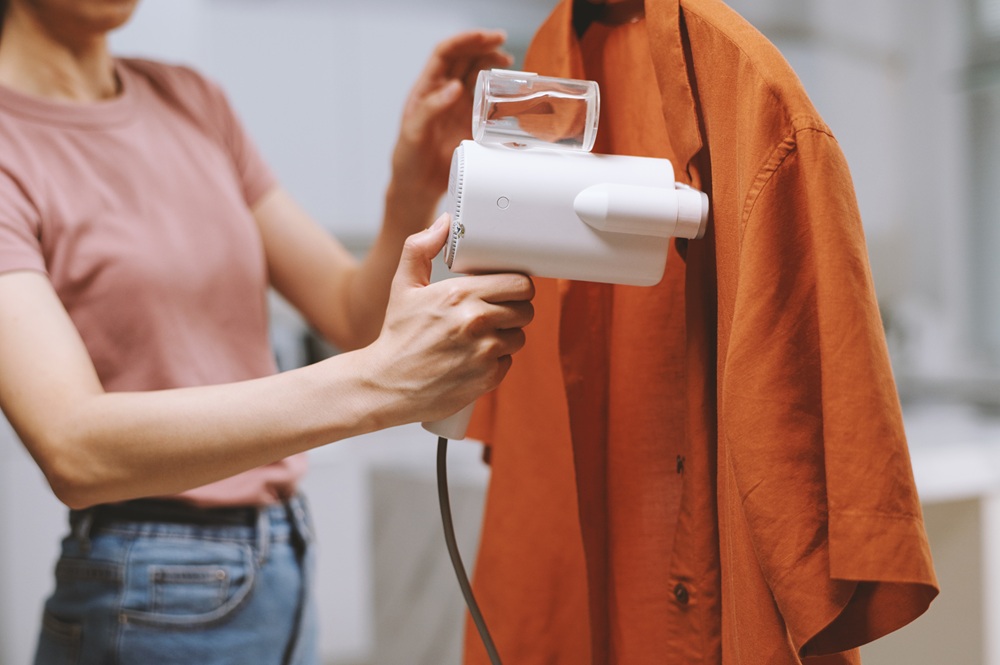
Use a Travel-size Steamer

Unlike hotel irons, which can be unpredictable, steamers are gentler on fabrics and can quickly smooth out wrinkles without leaving shiny marks. They also work on a wider range of fabrics, from cotton dress shirts to blends that wrinkle easily.

1. Pick a Reliable Model

  • Choose one with a quick heat-up time; less than 60 seconds is ideal for busy mornings.
  • Look for a spill-proof design to avoid water marks on your shirt.
  • Make sure it’s lightweight and fits easily into your carry-on.

2. Steam with Proper Technique

  • Hold the steamer upright and keep the nozzle about an inch away from the fabric.
  • Work from the top down, letting gravity help pull out wrinkles.
  • Don’t linger in one spot too long to avoid over-saturating the area.

3. Use Distilled Water

  • Prevent mineral buildup that can clog the steamer by using distilled water instead of tap.
  • If using hotel tap water, empty and rinse the tank after each use.
  • Regular cleaning extends the life of your steamer and keeps steam output strong.

A travel steamer is your “wrinkle insurance” on the road — fast, safe, and reliable when you need to look sharp with little time to spare.

Freshen Between Wears with a Light Fabric Spray

Not every shirt needs a full wash after one wear, especially if you only wore it for a few hours. A quality fabric freshening spray can remove light odors and keep shirts feeling crisp without harsh chemicals or heavy fragrances. It’s a quick, discreet way to extend the time between washes without sacrificing freshness.

1. Choose the Right Spray

  • Opt for sprays that are alcohol free to avoid damaging delicate fabrics.
  • Look for neutral or light scents that won’t overpower cologne or perfume.
  • If possible, use an environmentally friendly option that’s safe for skin contact.

2. Apply Correctly

  • Hang the shirt before spraying to ensure even coverage.
  • Hold the bottle about 8–10 inches from the fabric and mist lightly.
  • Focus on high-contact areas like underarms and collars.

3. Let It Air Out

  • After spraying, let the shirt hang in a well-ventilated area for at least 10–15 minutes.
  • Avoid packing it away immediately to prevent trapping moisture.
  • In hotel rooms, hanging near an air vent or open window works best.

A fabric spray is a fast, easy way to keep your shirts smelling fresh and looking ready without overwashing.

Handle Stains Immediately

The difference between a stain you can save and one that’s permanent often comes down to how quickly you act. On work trips, you may not have access to a full cleaning service right away, but you can still prevent long-term damage with quick action. Having a small stain-removal kit in your bag is a game-changer for keeping your wardrobe professional.

1. Know Your Fabrics

  • For cotton dress shirts, gently blot with cold water or club soda to lift fresh stains.
  • For delicate fabrics like silk or blends, avoid rubbing and use a gentle dabbing motion.
  • For suede trims, skip water altogether and use a dry suede brush instead.

2. Carry a Portable Stain Pen or Wipe

  • These are small enough to keep in your pocket or laptop bag.
  • Use them as soon as possible to treat the affected area before it sets.
  • Follow the pen’s instructions carefully to avoid leaving rings or discoloration.

3. Plan for Professional Cleaning Later

  • Even after quick treatment, plan to take the shirt to a nearby clothes cleaner for a thorough wash.
  • Look for dry cleaning near your location that offers same-day service if you’re on a short trip.
  • Ask about environmentally friendly cleaning services to preserve both the shirt and the planet.

Stains don’t wait, so carry tools to handle them on the spot, and you’ll save your shirts from becoming unwearable before the trip is over.

Before You Zip Up Your Suitcase, Drop by Parkway Custom Drycleaning to Keep Your Shirts Pressed and Ready!

No more last-minute creases or stubborn stains. Let us be your go-to dry cleaner before every important trip. At Parkway Custom Drycleaning, we offer three precision shirt care options (Standard, Deluxe, and Premium), each one tailored to give your shirts the treatment they deserve, down to the last button.

Every piece is handled with fabric-specific care, hand finished, and meticulously inspected to meet the demands of high-performing professionals on the move. With Pickup and Delivery Service across most of the metro area (just $3.50 with a $20 minimum cleaning order), we make it easy to travel light and look your best.

Visit us at 5455 Randolph Rd. North Bethesda, MD 20852

Call us at: 301-453-4423

Email: admin@parkwaydrycleaning.com

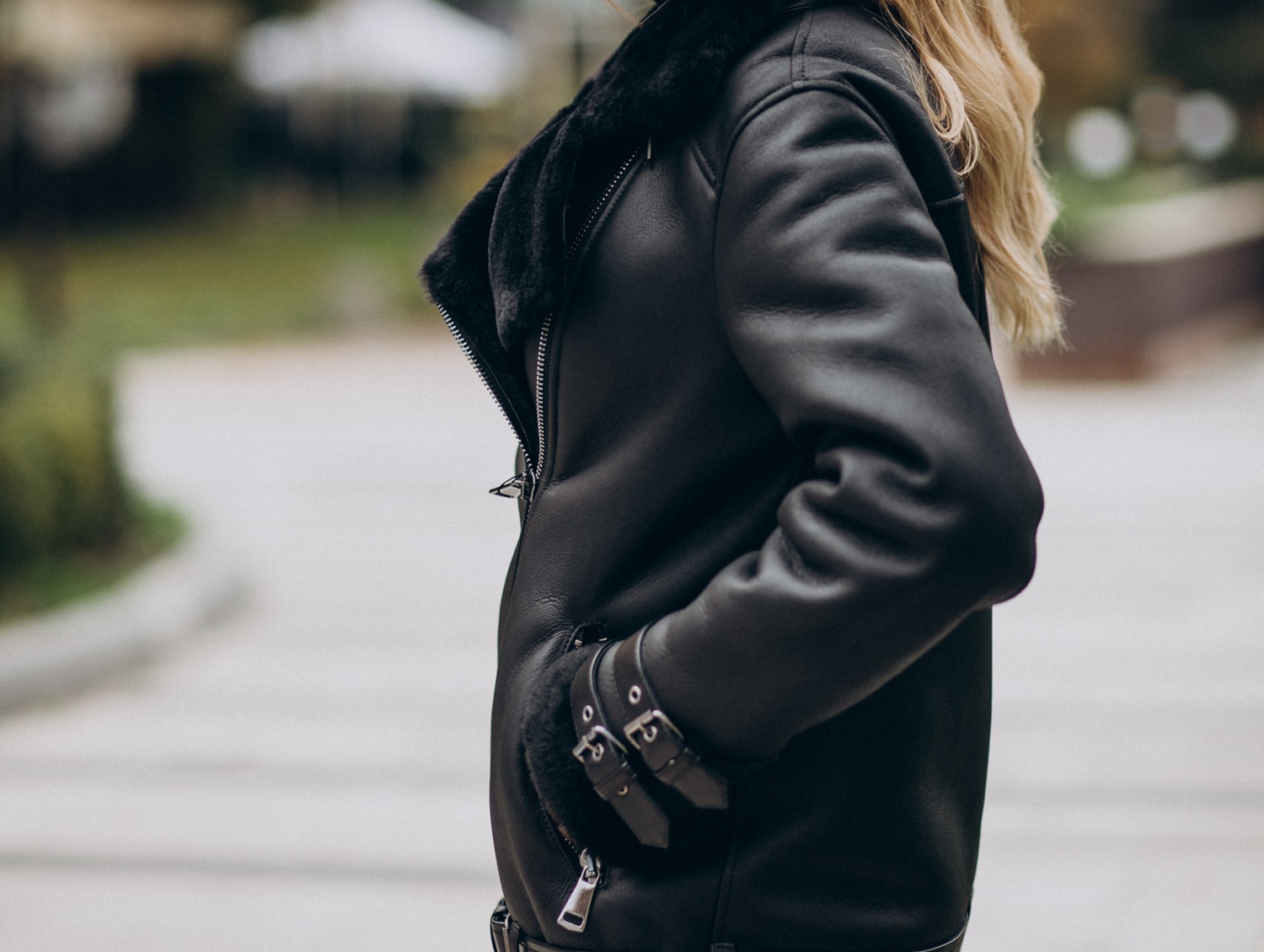
Is Your Leather Jacket Showing Signs of Wear? Here’s What to Look For (and How to Fix It)

A quality leather jacket isn’t just a piece of clothing — it’s a statement. It ages with you, softening at the seams and developing a one-of-a-kind patina over time. But not every change is a sign of character. Cracks, stiffness, fading, or odd smells may be early warning signs of leather damage — and ignoring them could cost you your favorite jacket.

In this guide, we’ll break down the most common signs of leather jacket wear, what they mean, and how to restore your jacket before it’s too late.

1. Leather Jacket Feels Stiff or Crunchy? Here’s Why

If your once-soft leather jacket feels brittle, crunchy, or uncomfortable, it’s likely dried out from lack of conditioning. Over time, leather loses its natural oils — especially when stored in dry conditions or exposed to heat.

How to Fix It:

  • Use a leather-specific conditioner made for garments (not furniture).
  • Avoid DIY fixes like olive oil or body lotion — they can stain or break down leather.
  • For severe stiffness, consult a professional leather cleaning and conditioning service.

Pro Tip: Professional leather care experts like Parkway Custom Drycleaning can rehydrate your jacket using safe, specialized treatments that restore flexibility without damage.

2. Faded or Discolored Leather? UV Damage May Be the Cause

A natural patina is part of leather’s charm, but uneven fading or patchy color usually points to UV exposure. Sunlight breaks down dyes and leaves leather looking dull and aged.

What You Can Do:

  • Store your jacket away from sunlight or heat vents.
  • Use conditioners that include UV protection.
  • Severe fading? Ask about Parkway to bring back that rich, original tone.

3. Musty, Mildew-Like Odor? Your Leather Might Be Growing Mold

A damp or musty smell is often caused by improper storage in a humid closet, basement, or plastic garment bag. This odor isn’t just unpleasant — it’s a sign of mold or bacterial growth inside your jacket’s fibers.

Odor Removal Tips:

  • Avoid masking smells with sprays or perfume — they can damage leather.
  • Store in a breathable cover in a dry, ventilated area.
  • Bring it to a leather cleaning specialist who can sanitize and deodorize safely. Parkway Custom Drycleaning has been cleaning, repairing, and restoring leather garments for several decades – almost since our first year of operation in 1926!

4. Leather Jacket Losing Shape or Sagging?

Is your jacket starting to hang oddly or feel looser in certain areas? Shape distortion often results from improper storage or moisture exposure. Over time, gravity and stretching can warp leather’s structure.

How to Prevent and Repair It:

  • Always use wide, padded hangers to support shoulders.
  • Never fold your jacket for long periods — it can create creases and warping.
  • Advanced sagging? Ask about Parkway to bring back its original fit.

5. Grease or Oil Stains on Leather? Here’s How to Handle Them

Oil from skin, hair products, food, or lotions can leave dark, stubborn stains, especially around collars and cuffs. Leather absorbs oils fast — and home remedies usually make it worse.

What to Do Next:

  • Blot stains with a soft cloth (don’t rub).
  • Skip the soap and water — it can cause discoloration.
  • Trust a professional leather dry cleaner like Parkway for proper oil and grease stain removal.

6. Suede Looks Flat, Shiny, or Lifeless?

Suede jackets are particularly delicate. Over time, the nap (fiber surface) can get matted down from oils, dirt, or moisture, making the suede look dull and shiny instead of soft and textured.

How to Revive Suede:

  • Gently brush the surface with a suede-specific brush.
  • Avoid wet environments or rainy days.
  • For deep cleaning, use a professional suede cleaning service to restore softness and texture safely.

7. Loose Threads or Fraying Seams?

If you notice loose stitching or fraying, don’t wait. What starts as a minor thread issue can quickly unravel and cause major damage — especially in high-friction areas like cuffs and shoulders.

What You Should Do:

  • Never trim or pull loose threads.
  • Bring it to a leather repair and cleaning service for expert restitching.
  • Regular cleaning also helps prevent stitching breakdown caused by embedded dirt and oils.

8. Leather Jacket Feels Too Tight or Too Loose?

Leather expands and contracts with heat, moisture, and use. If your jacket feels tighter in the arms or looser around the waist, it may be reacting to temperature changes or improper storage.

Fixing Leather Fit Issues:

  • Avoid exposure to heat sources like radiators or dryers.
  • Use proper padded hangers to help maintain shape.
  • Professional leather reshaping and steaming services can subtly restore a perfect fit.

9. Dust and Dirt Buildup Making Leather Look Dull?

Even if your jacket looks “clean,” dirt builds up in seams and folds — making the leather look tired or matte. Regular wiping isn’t enough.

Best Practices:

  • Wipe with a soft leather cloth every few weeks.
  • Schedule an annual leather cleaning to remove deep grime safely.
  • Avoid household cleaning products — they strip oils and can crack leather.

Why Choose Parkway Custom Drycleaning for Leather & Suede Restoration?

When your leather jacket starts showing wear, don’t settle for guesswork. Parkway Custom Drycleaning brings almost 100 years of expert leather and suede care to Washington, D.C., Northern Virginia, Maryland and beyond – We regularly receive leather garments shipped from around the United States and then ship the leathers back after cleaning and restoration.

Whether it’s a jacket, coat, handbag, skirt, wallet, or shoes — if it’s leather, we can clean, repair, reshape, and restore it.

What Parkway Offers:

  • Leather and suede specialty cleaning & restoration
  • Color restoration and dyeing
  • Repairs and restitching
  • Reshaping and alterations
  • Odor removal and sanitization

From everyday wear to luxury designer pieces, we use specialized equipment and cleaning agents designed exclusively for leather care — and partner with the top dye and finishing experts nationwide.

Ready to Restore Your Leather Jacket?

Call Parkway Custom Drycleaning at 301-965-1828. Proudly serving the metro Washington, D.C. area including Northern VA and the Maryland Suburbs.

Get your quote today and give your jacket the care it deserves!

How to Prevent Mold and Mildew on Outdoor Cushions: 10 Common Causes and Expert Tips

Your outdoor cushions looked pristine when you first brought them home. But if they now have a musty smell or show black or green spots, you’re not alone. Mold and mildew on outdoor furniture cushions is a common issue, even with high-quality, weather-resistant materials.

Outdoor cushions are constantly exposed to the elements, and without the right care, they can develop mold, mildew, and unpleasant odors fast. The good news? Most mold issues stem from preventable causes. By understanding what leads to mold growth, you can take proactive steps to protect your patio cushions and extend their lifespan.

Top Reasons Outdoor Cushions Get Moldy — And How to Stop It

1. Moisture from Rain, Humidity, or Morning Dew

Outdoor cushions are vulnerable to moisture year-round, whether it’s from rainstorms, humid weather, or daily dew. When water gets trapped inside the cushion’s foam or fill, it creates a breeding ground for mold.

Prevention Tips:

  • Use breathable, waterproof cushion covers.
  • Store cushions in a weatherproof deck box or bring them indoors after rain.
  • Elevate cushions off solid surfaces to improve airflow and drying.

Pro Tip: Even “water-resistant” cushions can develop mold if moisture lingers too long. Always allow cushions to dry thoroughly.ou only have occasional needs, you can use Parkway pickup and delivery service on a Will Call basis too.

2. Lack of Ventilation

Poor air circulation means trapped moisture dries slowly, allowing mold to grow unnoticed. Stacking cushions, storing them in sealed containers, or placing them against walls limits airflow.

What to Do:

  • Store in a ventilated area like an open shed or under a patio umbrella.
  • After use, stand cushions upright or on their sides to promote drying.
  • Avoid wrapping cushions in plastic tarps that trap humidity.

3. Dirt, Dust, and Organic Debris

Leaves, pollen, bird droppings, and backyard dust can accumulate in cushion seams. When combined with moisture, these organic materials fuel mold growth.

Cleaning Tips:

  • Shake out cushions weekly.
  • Use a vacuum or soft-bristle brush to remove trapped dirt.
  • Hose off cushions with clean water and let them sun-dry fully.

4. Storing Cushions While Still Wet

Improper storage is one of the fastest ways to invite mold. Damp cushions stored in dark, enclosed spaces can develop mildew within days.

Smart Storage Tips:

  • Dry cushions completely before storage.
  • Use storage containers with ventilation (avoid airtight bins).
  • Store indoors or in a climate-controlled area during winter or wet seasons. And the best news: Parkway recently acquired Christopher’s – Washington DC’s leading outdoor and indoor cushion, upholstery and carpet cleaner for over 30 years. Parkway and Christopher’s have combined to offer pick-up, cleaning, fabric protection, off-site storage and delivery of outdoor cushions and patio umbrellas.

5. Food and Drink Spills

Barbecues and patio parties often leave behind small food or beverage spills. Residue from sauces, juice, or alcohol can soak in and become a mold magnet.

Preventative Actions:

  • Blot spills immediately – never rub.
  • Use gentle soap or vinegar-water solution for spot cleaning.
  • Wipe down cushions after meals or drinks outside.

6. Low-Quality Fabric or Cushion Fill

Not all outdoor cushions are created equal. Materials like untreated cotton or basic foam hold moisture longer, increasing mold risk.

What to Look For:

  • Choose quick-drying foam and solution-dyed acrylic or polyester fabric.
  • Avoid cushions labeled only “indoor-outdoor” unless clearly mold-resistant.
  • Invest in cushions designed specifically for outdoor durability.

7. Placing Cushions Near Moisture Sources

Keeping cushions close to garden beds, plant pots, or sprinklers exposes them to constant dampness and shade – two major contributors to mildew.

Cushion Placement Tips:

  • Maintain a 2-foot gap between cushions and gardens or planters.
  • Trim back overgrown plants that trap moisture.
  • Use patio tiles or pavers beneath seating to limit splashback.

8. Using Harsh Cleaners or Skipping Cleaning Altogether

Bleach and strong cleaners can strip fabric protectants, while ignoring regular cleaning allows dirt and mildew to build up over time.

Safe Cleaning Tips:

  • Clean cushions seasonally with eco-friendly solutions but it is best to trust the cleaning of your outdoor cushions and umbrellas to  dedicated outdoor cushion cleaners like Parkway Custom Drycleaning and Christopher’s!
  • Skip bleach unless the label specifically allows it.
  • Always let cushions fully dry after deep cleaning.

9. Neglecting Wet Cushions After Pool Use or Rain

It’s easy to forget about damp cushions after a swim or rainstorm, but they need immediate attention to avoid mold.

Quick Fixes:

  • Shake off excess water and stand cushions upright to dry.
  • Avoid stacking wet cushions – they need airflow.
  • If possible, bring into a dry, shaded spot for faster drying.

10. Poorly Fitting or Damaged Cushion Covers

Covers that don’t seal properly allow water and dirt to creep in. Loose, torn, or poorly made covers contribute to trapped moisture and mildew.

Cover Tips:

  • Use fitted, zippered covers made of breathable, water-resistant materials.
  • Replace worn or cracked covers as soon as you notice damage.
  • Avoid DIY covers not intended for outdoor use.

Professional Outdoor Cushion Cleaning in Northern Virginia, Washington, DC, and Maryland including the Eastern Shore

Keeping your outdoor furniture mold-free takes regular effort, but sometimes, your cushions need a professional touch. Parkway and Christopher’s proprietary cleaning and restoration techniques have been developed over several decades. Our processes can remove and protect from most mold, mildew, stains, and musty odors from all types of outdoor pool and patio furniture cushions and outdoor umbrellas.

Why Choose Parkway and Christopher’s?

  • Over 30 years of experience cleaning and fabric-protecting outdoor patio cushions & umbrellas
  • Custom Cleaning techniques for every type of fabric
  • Off-season storage available for complete hassle-free maintenance
  • Eco-Friendly, Family-Safe Cleaning Processes
  • Outdoor cushion Pickup and Delivery in Washington, D.C., Maryland, and Northern Virginia

Whether your cushions need a seasonal refresh or deep cleaning and mold removal with fabric protect treatment, our expert technicians are here to help. We’ll bring your outdoor space back to life – no harsh chemicals, no hassle.

Call 240-792-8603 now to schedule your Outdoor Cushion and Umbrella Cleaning & Fabric Protection!

Visit www.mychristophers.com to learn more or book online.

Why More Executives and Luxury Homeowners Are Turning to Laundry Pickup and Delivery

There’s a fine line between the lifestyles of executives and luxury homeowners, and it’s drawn in minutes, not dollars. When your calendar is filled with strategy sessions, investor calls, or occasional red-eye flights, even an hour doing laundry feels like a bad investment.

The same goes for homeowners who manage sprawling estates or split time between multiple properties: every spare moment is spoken for. So, while most people see laundry as a basic chore, this crowd sees a silent time thief quietly draining productivity and peace of mind.

For those used to premium service in every area of life, laundry Pickup and Delivery Service simply makes sense. In this article, let’s unpack what’s fueling its rise among executives and affluent homeowners alike.

1) Time Is Their Most Valuable Currency

When your calendar is booked from sunrise to sundown, time becomes your most prized asset. Executives and luxury homeowners don’t do laundry because they quite literally can’t afford the hours it takes, mentally or financially. From meetings and travel to managing businesses and estates, they prioritize services that protect their time.

How laundry Pickup and Delivery Service solves it:

  • Saves hours per week: Laundry Pickup and Delivery Service eliminates sorting, washing, drying, and folding, which can eat up to 3–5 hours of your time per week.
  • Set it and forget it: Just schedule via app or phone, leave your items at the door, and they return cleaned, pressed, and folded.
  • Weekly consistency: No planning, no scheduling conflicts — your laundry simply happens on autopilot.

Tip: Most services offer recurring pickups. You don’t even need to think about it after setup — your weekly laundry just disappears. But if you only have occasional needs, you can use Parkway pickup and delivery service on a Will Call basis too.

2) It Matches the Level of Service They Expect Elsewhere

When your calendar is booked from sunrise to sundown, time becomes your most prized asset. Executives Luxury clientele already expect concierge-level service, whether it’s their hotel, car detailing, or personal chef. Laundry Pickup and Delivery Service simply slots into that same tier of lifestyle management. From personalized detergent choices to carefully folded returns delivered on a schedule that fits their calendar, laundry Pickup and Delivery Service mirrors the seamless convenience and attention to detail they experience in every other area of their lives.

Here’s how it aligns:

  • White-glove experience: Items are handled by professionals trained in fabric care, stain removal, and pressing with precision.
  • Personal preferences remembered: From detergent types to folding methods, settings can be customized and saved.
  • Responsive communication: Text/email alerts, updates, and seamless customer service mirror the experience of high-end retail or travel.

3) Their Wardrobes Demand Specialized Care

Silk blouses. Wool trousers. Custom-tailored suits. These aren’t clothing items you toss into a washing machine with drugstore detergent. Executives and luxury homeowners with fine wardrobes know very well the damage one wrong wash cycle can cause.

Why laundry Pickup and Delivery Service is better:

  • Expert sorting and fiber identification: Their cottons won’t be washed with their cashmere.
  • Access to professional stain treatment and Dry Cleaning Service: Spot treatment for wine, ink, oil, and more, done right.
  • Garment-level attention: Every shirt, blouse, or jacket is treated according to its care label, not just bulk washed.

4) They Want Their Homes to Run Like Clockwork

Busy households don’t run themselves, and the more you can systematize tasks, the smoother your life flows. Laundry is often a sticking point in even the most organized homes, creating bottlenecks in daily routines and clutter in living spaces. By outsourcing it to a professional laundry Pickup and Delivery Service, families and busy executives can maintain order, save time, and keep their home operating with the precision of a well-oiled machine.

Laundry delivery fits right in because:

  • No interruptions to workflow: Clothes are picked up and returned on their schedule, without causing household disruption.
  • Integrates with other services: Align laundry pickup with housekeeping, deliveries, or personal errands.
  • Less clutter: No overflowing hampers or ironing piles waiting for attention.

Home Tip: Many families pair laundry services with household linens cleaning or towel service for a fully streamlined home system.

5) They Value Discretion and Trust

Executives and high-profile homeowners often live with an extra layer of caution, carefully managing who has access to their homes and routines. Whether it’s for personal security, privacy, or maintaining a low profile, they rely on vendors who operate with professionalism and confidentiality. Laundry Pickup and Delivery Services that offer secure pickups, sealed packaging, and respectful handling of garments quickly become trusted partners in their private lifestyle.

Why professional laundry Pickup and Delivery Service earns their trust:

  • Vetted staff and background-checked drivers: They know who’s handling their garments and entering their property.
  • Secure pickup and delivery processes: Garments are tagged, tracked, and delivered back clean in sealed packaging.

6) They Appreciate Sustainable, High-end Solutions

It’s not just about clean clothes, but also about how they’re cleaned. Today’s luxury clients are increasingly drawn to services that align with their values around sustainability, minimal waste, and chemical-free care. Premium laundry Pickup and Delivery Services that use eco-friendly detergents, energy-efficient machines, and reusable garment bags offer a refined experience that’s both responsible and indulgent.

How laundry Pickup and Delivery Service rises to the occasion:

  • Use of environmentally friendly detergents and energy-efficient machines.
  • Water-conserving washing systems.
  • Recyclable or reusable garment packaging.

Executives Trust Us, Luxury Homes Choose Us — Trust Parkway Custom Drycleaning with all your clothing and bed linens!

For executives, entrepreneurs, and discerning homeowners, daily responsibilities demand focus, discretion, and seamless service. When only the best care will do for your fine and bespoke bespoke suits, cashmere throws, silk blouses, or heirloom linens, Parkway Custom Drycleaning is the trusted partner you can count on.

Since 1926, we’ve proudly served the Washington, D.C. metro area, including Montgomery County and Northern Virginia, with a deep commitment to detail, sustainability, and fabric preservation.

We specialize in:

  • Meticulous care for delicate fabrics and designer pieces
  • Convenient Pickup and Delivery Service throughout the DMV area
  • Eco-friendly processes that treat your garments and the planet with respect

When it comes to protecting what you wear and what you love, don’t settle for ordinary care.

Trust Parkway Custom Drycleaning with your finest pieces and experience garment care that lives up to your standards.

Call us at 301-652-3377 or use this link to Schedule a Pickup Today.