
Why So Many Wedding Dresses Turn Yellow After the Wedding
If wedding dresses are only worn once, why do so many of them turn yellow later? The answer often starts with the fabrics themselves. Materials such as silk and fine blends are selected for their elegance and softness, yet they are more chemically responsive than sturdier textiles.
After the celebration, the dress may look untouched, carefully folded or hanging in a garment bag. Still, even invisible traces from the day can remain within the fabric. Also, storage methods can either slow that process or quietly accelerate it.
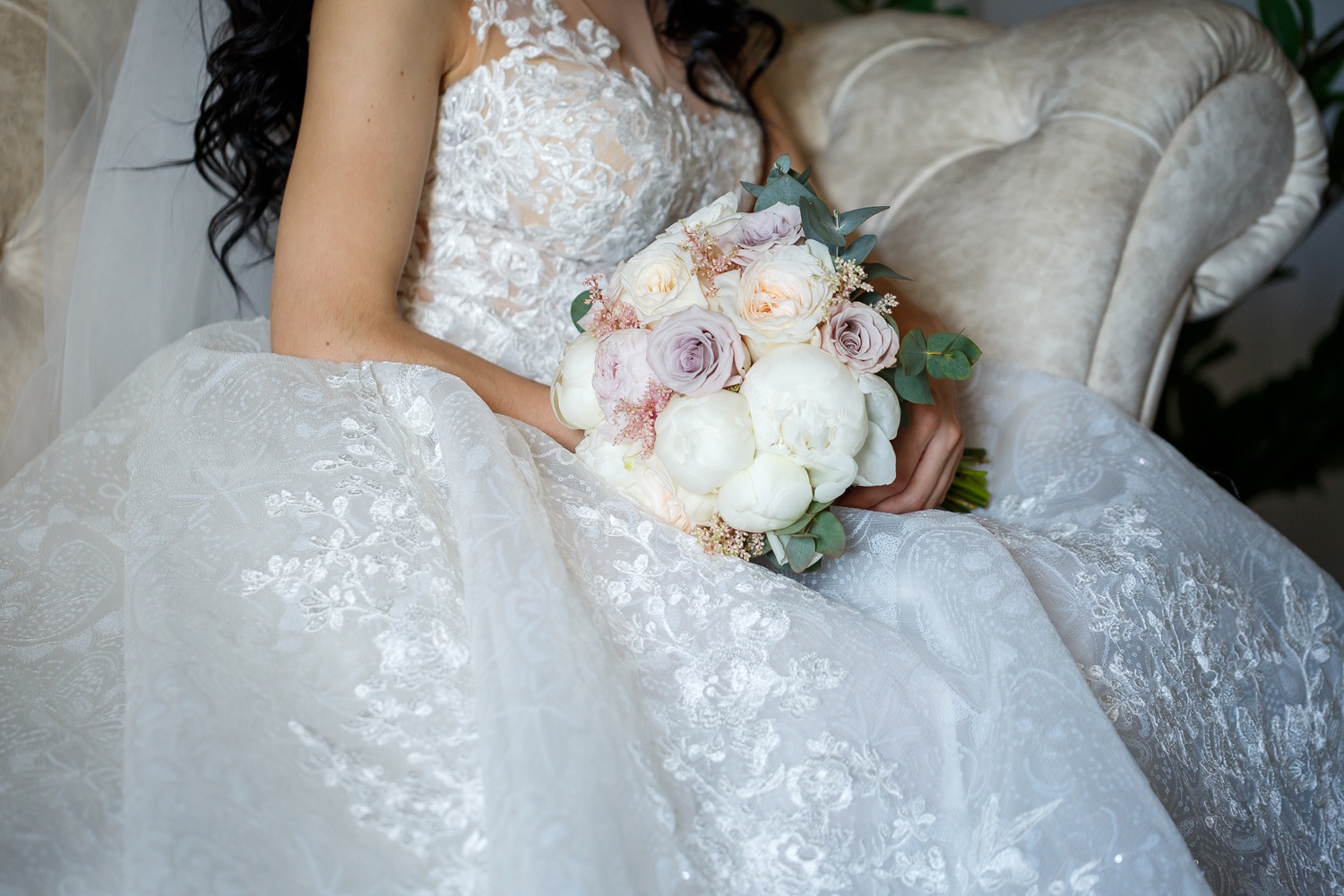
Understanding what contributes to yellowing and how professional cleaning helps stabilize fabric early can guide you toward the right steps now. Let’s walk through what this means.
Invisible Residue Left Behind After the Wedding Day
Your wedding dress doesn’t need a visible stain to be affected. In fact, most of the damage starts with residue you can’t see at all. The dress may look perfectly clean when you hang it up, but that doesn’t mean the fabric is free from contaminants. What’s left behind after a 10-hour celebration can quietly sit in the fibers.
1) Sweat
Even in a climate-controlled venue, you perspire. Adrenaline, dancing, hugging guests – it all adds up. Sweat contains salts and proteins, and when those settle into delicate fabrics such as silk or satin, they don’t just disappear. As time passes, the salts mix with oxygen and gradually cause discoloration.
2) Body Oils
The neckline, straps, and bodice absorb natural oils from your skin. These oils are clear at first, which is why the dress still looks bright when you pack it away. But oils oxidize as they age. That’s when yellow or slightly brown shadows start to appear along contact points.
3) Champagne
A splash here, a toast there, it’s part of the celebration. Champagne and other clear drinks contain sugars that dry invisibly. Even if you dabbed the area with a napkin, microscopic residue can remain in the weave of the fabric.
4) Cake
Frosting, filling, and sugary crumbs may brush against the skirt during photos or during cake cutting. You might not notice a thing at the time, but months later, that sugar can darken and leave a yellow patch.
5) Makeup
Foundation, setting spray, bronzer, and perfume often transfer onto the neckline and bodice. These products contain oils and pigments. At first, everything looks fine; then gradually, the color begins to change.
Remember: stains need not be visible to cause long-term damage. Even after a dress begins to undergo the chemical process, it can still appear spotless.
How Sugar-Based Stains Darken Over Time
One of the sneakiest contributors to yellowing after a wedding is sugar. When sugary residue dries, it often becomes clear and sticky, but not obvious. That’s why so many brides think their dress is clean.
The Oxidation Process
When sugar sits in fabric, it reacts with oxygen in the air. This reaction slowly changes the chemical structure of the residue. When it starts to break down, it darkens, and that’s why a splash you never saw can become a yellow stain months later.
Heat Activation
Heat speeds up everything. A warm closet, summer attic storage, or even body heat trapped in fabric can accelerate the reaction. The higher the temperature, the faster sugar begins to caramelize and discolor.
Why It Appears Months Later
What throws brides off is that it’s not instant. It builds gradually over time. By the time you notice yellowing, the sugar has already bonded with the fibers.
It doesn’t brown instantly, but once it starts, it keeps going. The same principle applies to untreated sugar-based stains in wedding dresses.
The Risk of Delaying Professional Cleaning
After the honeymoon, when life starts moving fast again, it’s tempting to tuck away your dress to deal with it another day. Time passes quickly, even though the reaction in the fabric never really stops.
Chemical Reactions Setting In
The longer the residue sits in the fibers, the deeper it bonds. Sweat, oils, and sugars begin to interact with oxygen and light. These reactions alter the fabric at a microscopic level. Once that change locks in, full restoration becomes harder.
Oxidation Acceleration
Exposure to air keeps the oxidation cycle moving. If the dress hangs in a closet without proper wedding dress cleaning and preservation, oxygen continues to reach those untreated areas. Discoloration grows darker and spreads outward from the original contact points.
Why Timing Matters
The first few weeks after the wedding are critical. Fresh stains are easier to remove. Contaminants haven’t fully bonded yet. When brides schedule professional Wedding Dress Cleaning and Preservation Service early, specialists can lift residues before permanent yellowing sets in.
Waiting a year, or several, limits what even the best cleaner can reverse. Prevention is always easier than correction.
Why Standard Storage Methods Make It Worse
Sometimes the issue isn’t a stain at all. It’s the closet, the box, or the environment the dress has been sitting in. Believe it or not, certain “normal” storage methods can actually make the fabric break down sooner.
Plastic Garment Bags
While plastic may seem protective, it actually traps moisture and can release harmful gases as it ages. Those fumes can interact with delicate fibers, causing discoloration. Plus, plastic doesn’t allow the dress to breathe properly.
Cardboard Acidity
Regular cardboard boxes contain acids. In humid conditions, those acids slowly transfer into the fabric. That’s when you start to see yellowing where the dress was folded or touching itself.
Attic or Garage Storage
These spaces experience temperature swings. Hot summers and freezing winters can both weaken fabric over time. In fact, heat accelerates the oxidation process. Extreme shifts weaken delicate materials such as silk and lace.
Humidity Buildup
Moisture in the air encourages mildew and fiber breakdown. Even low levels of humidity can create a damp environment inside sealed containers that aren’t designed for preservation.
True wedding dress preservation uses acid-free supplies and controlled packaging, and that changes everything. Archival-quality boxes limit oxygen exposure and protect the dress from environmental damage.
How Professional Cleaning Interrupts the Yellowing Process
Real prevention begins here. Professional cleaning and preservation do more than improve how the dress looks; they stop hidden chemical processes in their tracks.
01 Full-Garment Cleaning
Specialists don’t just spot-clean visible stains. They clean the entire dress, which includes lining layers, underskirts, and hidden seams where residue collects. This ensures no invisible contaminants remain behind.
02 Removal of Contaminants
Technicians use fabric-appropriate solutions to dissolve oils, sugars, sweat, and cosmetic residue. They test delicate areas carefully. Real cleaning goes deep – it removes what’s triggering the oxidation instead of just masking the marks.
03 Controlled Drying
After cleaning, the dress is dried in a controlled environment. By controlling the drying process, you avoid heat damage and keep moisture from lingering inside the fibers. And that step is critical. Leftover moisture can restart the discoloration cycle.
04 Preparation for Preservation
Once fully cleaned and stabilized, the dress is prepared for long-term storage. Acid-free tissue supports the structure. Specialty boxes are designed to block light and reduce air contact. Preservation is the finishing touch that protects your dress for decades.
When handled professionally, your dress is safeguarded. Yellowing is stopped before it has a chance to spread.
Honor Your Dress with Professional Preservation at Parkway Custom Drycleaning
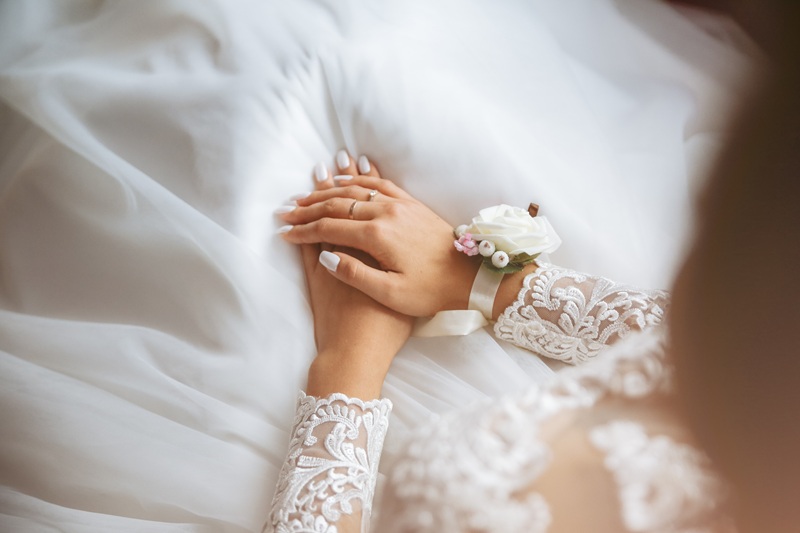
Yellowing doesn’t have to be part of the story of your dress, not when you take the right steps at the right time. At Parkway Custom Drycleaning, we specialize in expert Wedding Dress Cleaning and Preservation Service, and we’re proud to be called “The most reputable wedding dress specialist in the D.C. area” by Washingtonian Magazine, as well as a Best of the Knot Weddings award winner.
Since 1926, our wedding dress specialists have been hand-cleaning, air-drying, and carefully preserving everything from simple bridal dresses to the most elaborate couture dresses, protecting them from the very oxidation and residue that cause yellowing. The longer stains sit, the harder they become to reverse, which is why now is the best time to act.
Call us today at 301-396-7016 or email admin@parkwaydrycleaning.com and let our award-winning specialists inspect your dress with you at our North Bethesda location.